Amazon Abandons Four Loudoun County Data Centers for Housing and Community Spaces
Following intense local resistance, the tech giant has agreed to convert the majority of a 122-acre property into residential and mixed-use developments while donating land for public recreation.
By Dmitri Sokolov ·
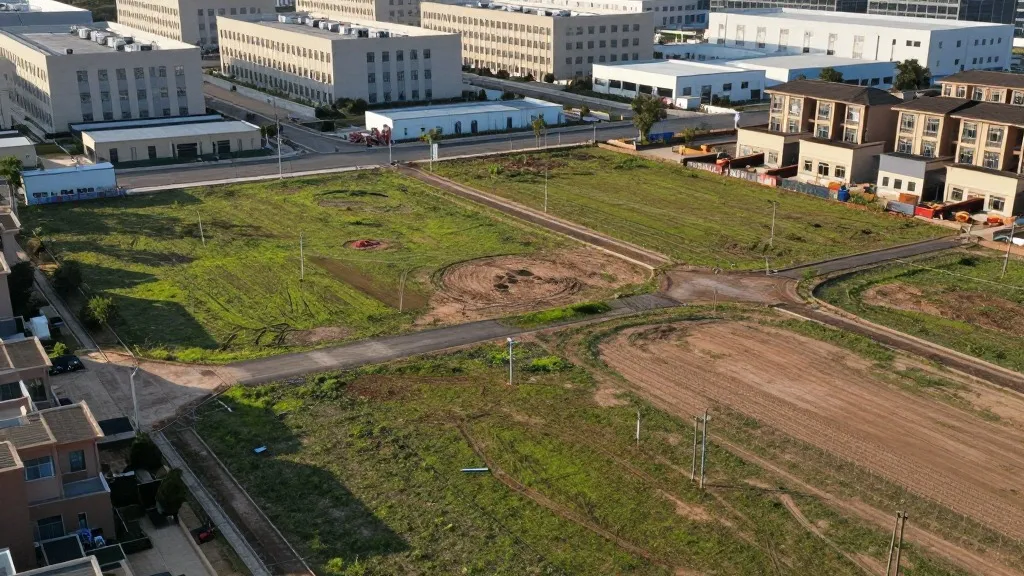
A significant standoff between a major technology corporation and local residents in Northern Virginia has concluded with Amazon withdrawing its plans to construct four new data centers on a former university campus in Loudoun County. The decision marks a notable retreat for the company, which will now repurpose the bulk of the 122-acre site for mixed-use commercial and residential development rather than housing the massive server infrastructure initially proposed. This shift comes after sustained pushback from the community, who raised concerns regarding the operational noise and the substantial energy consumption associated with such facilities.
In addition to changing the primary use of the land, Amazon has agreed to donate 25 acres of the property to Loudoun County. This portion of the site is designated to become a community arts center and a new recreational facility. Furthermore, the company will contribute $5 million to the county’s housing fund, a financial move intended to support the creation of more attainable homes for local working families. These concessions represent a comprehensive package of changes to the original proposal.
The turnaround is particularly striking given that Loudoun County is frequently referred to as 'Data Center Alley' due to its status as the location with the highest concentration of data centers in the world. The area has become a focal point for the expansion of cloud computing infrastructure, driven by the rapid growth of artificial intelligence applications. However, the local sentiment toward new construction has shifted in recent times, with residents increasingly vocal about the physical and economic impacts of these industrial facilities on their neighborhoods.
Amazon initially submitted its proposal for the four facilities in July of this year. Tensions escalated until September, when the company met with Phyllis J. Randall, the Chair of the Loudoun County Board of Supervisors. During these discussions, county officials suggested that the company might be better served by identifying an alternative use for the land rather than proceeding with the data center buildout. This dialogue paved the way for the final agreement reached this week.
Josh Weissman, Amazon’s vice president in charge of data center development, addressed the decision by stating that the company had been eager to acquire the former George Washington University campus when the opportunity arose. However, he acknowledged that the company weighed the county’s “pointed concerns about data center development at this particular site.” Weissman noted that while Amazon viewed the legal development potential of the property differently than the county did, they concluded that collaborating on a shared vision was preferable to engaging in potentially costly litigation.
The broader context for this negotiation involves a growing national tension regarding the placement of energy-intensive data centers. As demand for AI services drives the need for larger facilities, local communities are becoming more wary of the strain these projects place on local infrastructure, including electricity prices. In response to these concerns, President Donald Trump recently called on data center builders and AI hyperscalers to provide dividends to local communities amid rising energy costs. He further proposed that such facilities should generate their own electricity and return excess power to the local grid.
Local officials have framed the outcome as a success of collaborative governance. In a statement, Randall emphasized that by choosing dialogue over reflexive disagreement, the county and Amazon created a valuable opportunity for the community. She highlighted that the agreement provides new spaces for residents to gather, create, and play, while also addressing the critical need for more affordable housing. The deal effectively swaps a high-profile tech campus for a mixed-use neighborhood with dedicated public amenities.
The resolution of the Loudoun County project serves as a case study in how local politics can influence major tech infrastructure decisions. While the demand for data storage and processing power continues to rise due to AI adoption, the friction between corporate expansion and local quality-of-life concerns is becoming a defining feature of the industry. For now, the former university campus will transition into a hub for residential and community life, marking a distinct departure from the county's previous trajectory of unbroken data center growth.
The next steps for the project involve the detailed planning and approval processes for the new mixed-use and residential developments. The county will also begin the process of developing the donated land into the promised arts center and recreational facility. This transition period will be closely watched by other communities across the region that are considering similar large-scale tech projects, as the Loudoun outcome suggests that negotiation can yield different results than a simple approval or rejection of data center proposals.
Source: Tom's Hardware