Apple Doubles iPhone Duo Production Targets to 14 Million Units Amidst Surge
Supply chain data reveals Apple has significantly increased manufacturing output for its first folding smartphone after pre-orders exceeded initial forecasts.
By Valentina Cruz ·
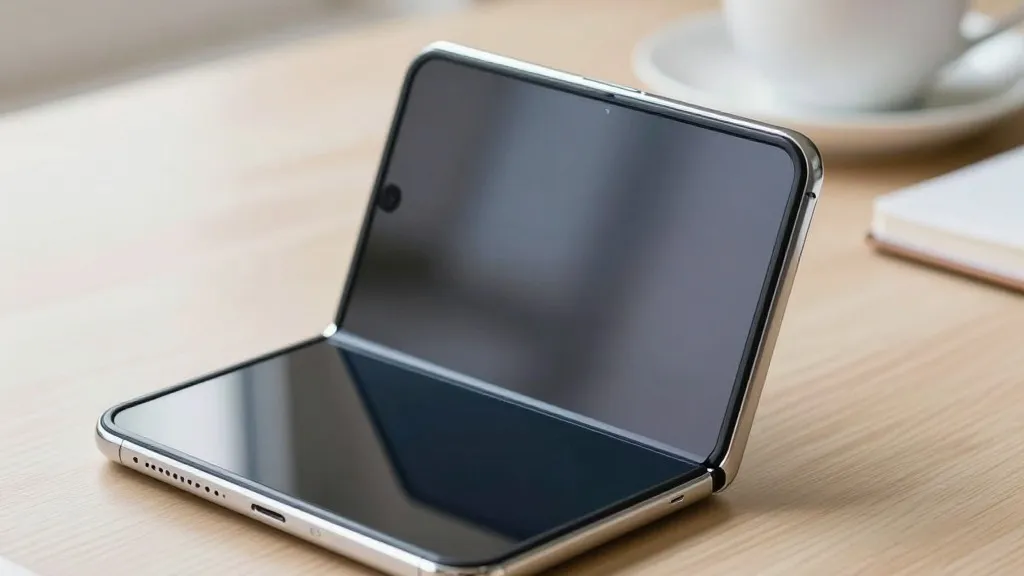
For everyday consumers, the most immediate change is the realization that securing a unit of the new folding iPhone may take longer than initially hoped. While some early buyers are now seeing their estimated delivery windows shorten, the overall surge in interest has forced Apple to adjust its manufacturing strategy substantially. This shift signals that the device is far from a niche experiment; it is being treated as a mainstream product with mass-market implications.
The first major development is the sheer volume of orders coming in. Supply chain reports indicate that Apple has increased its production orders by more than 40%. This decision was driven by what the company termed 'extraordinary' pre-order demand. When pre-orders opened on Friday, delivery dates began slipping almost instantly, with some customers facing waits until late January. Apple attributed this to high demand rather than supply chain issues, though the initial confusion was understandable given the speed at which dates extended.
A second key point involves Apple’s internal strategy to manage this rush. The company capped purchases at two units per customer, a move designed to curb scalping and ensure wider availability. This restriction, combined with the subsequent shortening of shipping estimates for some users, suggests that Apple is actively ramping up output to meet the current pace of sales. The goal is to keep up with the momentum while preventing the market from being dominated by resellers.
Finally, the long-term outlook has been revised upward significantly. According to DigiTimes, citing supply chain sources, Apple has boosted its shipment targets for the first twelve months from 9.7 million to 14 million units. This increase reflects a confidence that strong demand will persist beyond the initial launch frenzy. It is a substantial jump in production goals, indicating that Apple views this device as a critical component of its future hardware lineup.
Contextually, the launch has come with some early friction. Users are currently dealing with third-party applications that have not yet been fully optimized for the new form factor. However, Apple states that the situation is improving rapidly as developers adapt. Early reviews based on a week of usage have identified app support as a primary area for improvement, alongside the decision to use Touch ID for the current model.
Looking ahead, there are signs that Apple is already planning for the next iteration. Reports indicate that prototypes for an iPhone Duo 2 featuring Face ID are currently in testing. This suggests that while the current model has its quirks, the company is already working to address user preferences and refine the technology for future releases.
Source: 9to5Mac